2026-08-25 ·
Maintaining SR22 Coverage Through Seattle's Wet Winter Months
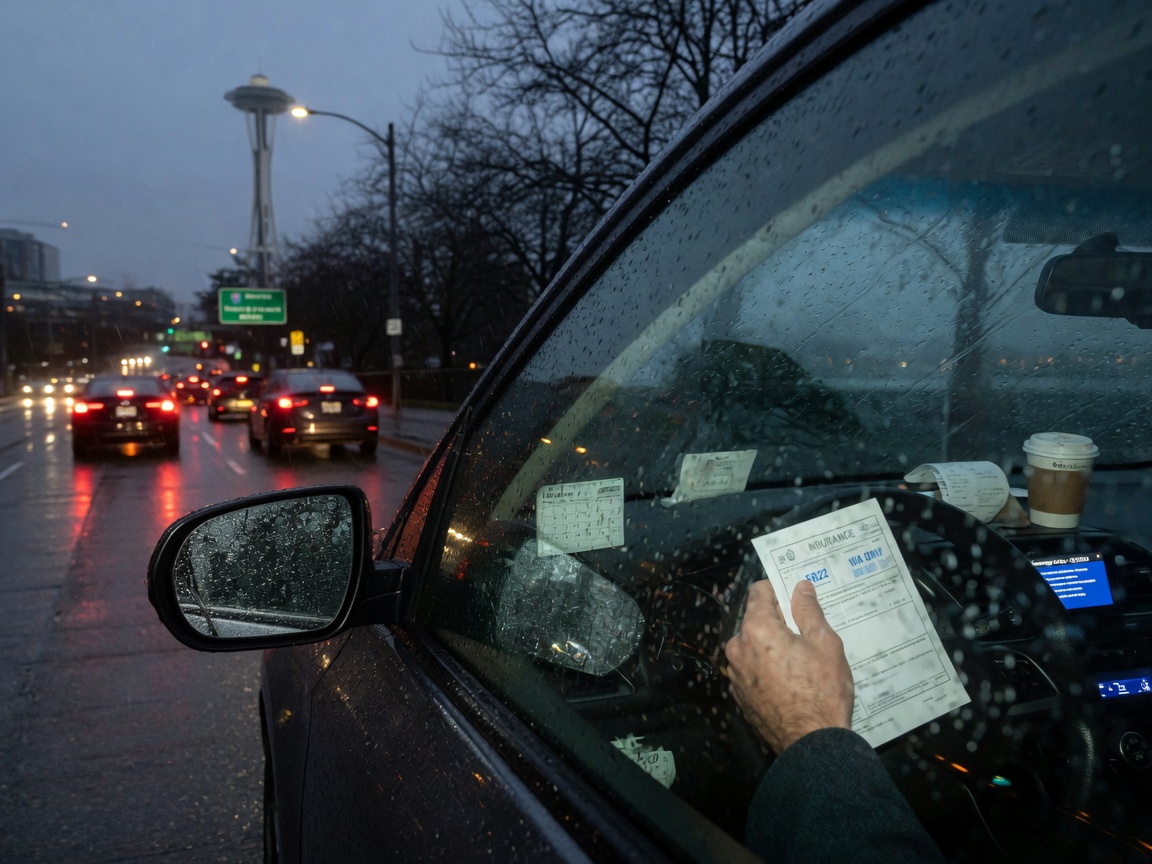
Seattle drivers with SR22 filings face added pressure during the city's mild wet winters because constant rain and overcast skies raise hydroplaning chances on roads from Ballard to West Seattle. Maintaining continuous coverage means reviewing your policy each month for lapses that could reset the filing clock with the Washington State DMV, especially when wet pavement in Fremont or the University District leads to more claims. Local drivers report that overcast conditions reduce visibility on hills around Queen Anne, making defensive habits essential to avoid violations that threaten your SR22 status.
How Seattle's Climate Changes Daily Driving Risks
Mild wet winters bring steady rain from November through February that leaves standing water on streets near Discovery Park and the Seattle Center, increasing the need for reliable liability limits on an SR22 policy. Drivers in Belltown and Capitol Hill often encounter slick surfaces from frequent overcast days, which can extend stopping distances by several car lengths compared to dry summer months. These patterns mean policyholders should confirm their coverage includes adequate protection for incidents on wet pavement rather than assuming standard limits suffice year-round. Checking for updates becomes routine when routes through Pike Place Market or the Space Needle area see higher traffic during storms.
Checking Policy Details for Continuous Coverage
Review your declarations page quarterly to ensure no gaps appear during the wet season, as even short lapses in King County can require refiling at higher rates. Focus on liability amounts that match the increased claim frequency from rain-related collisions reported along routes to Bellevue and Kirkland. Local operators note that older housing stock in Fremont and Ballard often means narrower streets where fender benders rise in winter, so verify that your SR22 meets state minimums without underinsuring. Contacting support at any hour helps when weather shifts suddenly and you need clarification on endorsements.
Adjusting for Neighborhood-Specific Conditions
Hilly terrain in Queen Anne and Discovery Park demands extra attention to tire condition and speed on wet days, since runoff creates unpredictable patches that contribute to SR22-relevant incidents. In the University District and West Seattle, frequent overcast reduces reaction time at intersections, prompting many to log maintenance records that support claims if coverage questions arise. Drivers commuting toward Tacoma or Redmond encounter similar wet-road challenges that reinforce the value of steady policy monitoring. Bullet points for quick reference include:
- Inspect wipers and brakes before each storm season
- Log any near-misses to discuss with your agent
- Confirm coverage extends to nearby cities like Kirkland without added riders
Exploring Non Owner Options When Needed
Some Seattle residents switch to non-owner SR22 coverage during periods of limited vehicle use, which still satisfies filing requirements while accounting for rideshare or borrowed-car scenarios common in dense neighborhoods. This approach works well for University District students or Capitol Hill residents who rely on transit during heavy rain months. Non Owner SR22 Insurance details show how it maintains compliance without full auto premiums. Readers can also review What SR22 Insurance Typically Costs In King County for realistic ranges and SR22 Filing Process At The Washington State DMV Office for timing guidance during winter.
Staying proactive with these steps keeps your SR22 active through Seattle's wet winters without unnecessary interruptions, whether you drive daily in Ballard or occasionally visit Tacoma.