2026-08-25 ·
Local Traffic Patterns That Raise SR22 Risk In Seattle
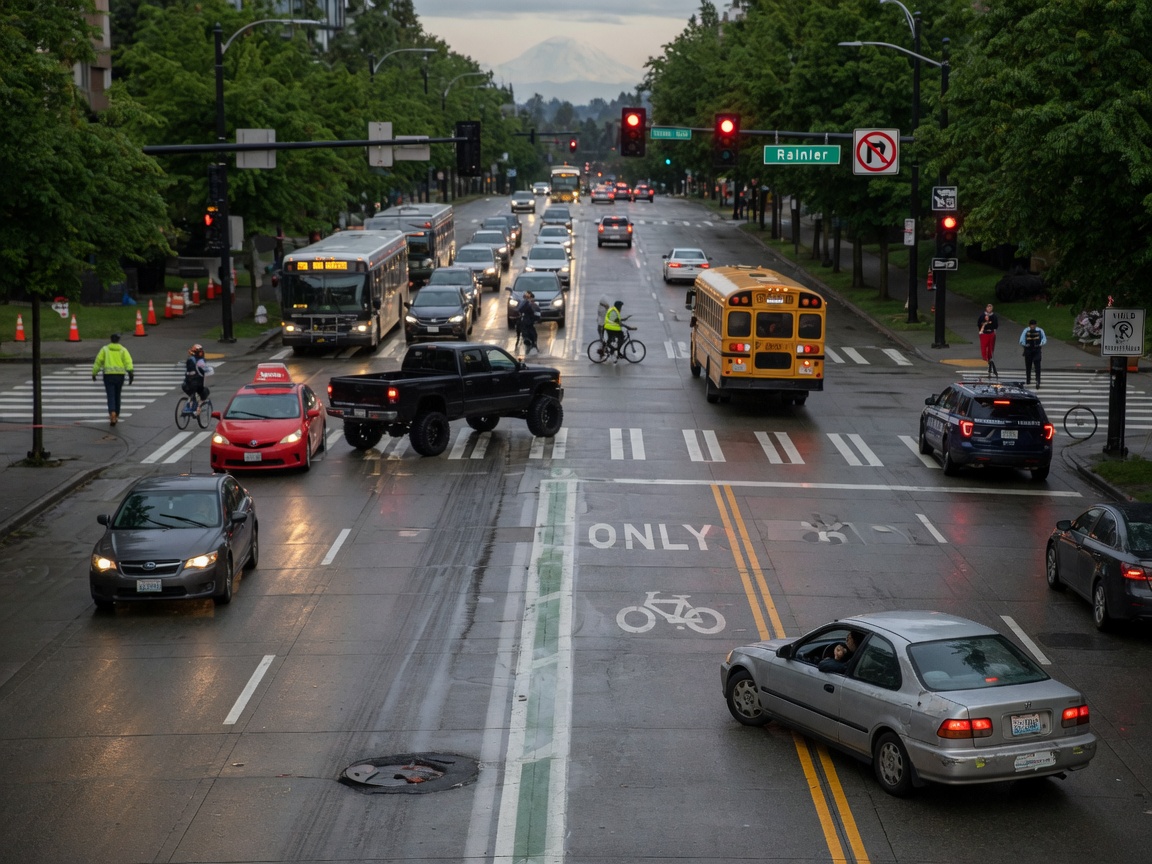
Seattle drivers encounter elevated SR22 risk primarily from chronic I-5 congestion during peak hours combined with frequent wet pavement in winter, which raises collision and citation rates across King County routes.
I-5 and Aurora Corridor Bottlenecks
Morning and evening rush periods on I-5 through Capitol Hill and into the University District create repeated stop-and-go conditions that lead to rear-end collisions and aggressive lane changes. These patterns intensify when overcast skies reduce visibility, pushing violation counts higher for local commuters. Drivers traveling from Queen Anne or Fremont toward downtown often encounter the same backups, where even minor fender-benders trigger license reviews and eventual SR22 filings. The dry summer months ease some pressure but do not eliminate the underlying volume that keeps accident rates elevated year-round.
Wet Winter Roads in North and West Seattle
Mild wet winters turn streets in Ballard, Fremont, and West Seattle slick, especially on hills and near Discovery Park access roads where standing water collects. Hydroplaning incidents rise sharply between November and February, resulting in speeding citations or failure-to-yield tickets when drivers misjudge stopping distances. Overcast conditions compound the issue by shortening daylight reaction times, a reality that affects residents in Belltown and the University District who rely on these routes daily. Such weather-driven violations frequently require drivers to file SR22 forms to maintain or reinstate coverage.
Commuter Flows to Bellevue, Kirkland, and Tacoma
Daily drives across Lake Washington to Bellevue and Kirkland via the 520 bridge or to Tacoma on I-5 generate additional risk when traffic merges create sudden slowdowns. These corridors see higher rates of distracted driving citations and improper passing during both wet and dry seasons, particularly for residents of Queen Anne or Capitol Hill who cross the water regularly. The steady flow between Seattle and these nearby cities adds mileage and exposure that correlates with more at-fault incidents, directly influencing the need for Non Owner SR22 Insurance among those who borrow vehicles for the commute. Non Owner SR22 Insurance addresses coverage gaps for drivers without personal autos in these situations.
Neighborhood Patterns Around Landmarks and Centers
Traffic around the Space Needle, Pike Place Market, and Seattle Center produces frequent pedestrian conflicts and double-parking citations, especially during tourist peaks. In Belltown and the surrounding core, delivery vehicles and event traffic create unpredictable stops that catch commuters off guard. Similar issues appear near Discovery Park entrances in Magnolia, where narrow access roads and sudden tourist turns raise violation likelihood. These localized hotspots contribute to the overall SR22 volume in King County by generating the types of minor but accumulating offenses that trigger filings.
Practical Steps After a Violation
Review your driving record for patterns tied to specific routes and seasons, then compare options through Auto Insurance that explicitly includes SR22 filing. Track how three-year monitoring periods affect rates when violations occur on wet-weather days or during I-5 backups. Three-Year SR22 Timeline For Washington Drivers outlines the exact sequence most Seattle drivers follow after such incidents. Contact WSI Insurance at any hour since lines remain open Mon–Sun 24/7 for questions on local filing requirements.